Sourcing apparel from Bangladesh to Japan
Duty-free under the LDC scheme, 18–24 days by sea, and a merchandiser who replies in Japanese in your morning.
Bangladesh garments enter Japan at 0% under the LDC preference with a certificate of origin. Japan uses a two-stage rule for knit and woven: fabric and garment made in Bangladesh. Allow 18–24 days CTG → Tokyo/Osaka.
TRADE FACTS · BANGLADESH → JAPAN
AS OF OCT 01, 2026- Knit · HS 61
- 0%LDC preference
- Woven · HS 62
- 0%LDC preference
- Preference scheme
- LDCCertificate of origin required
- Sea transit
- 18–24 daysChattogram → Tokyo / Osaka
- Air
- 3–5 daysDhaka → Narita / Kansai
- Import tax & filing
- 10%Consumption tax, charged at import and shown separately
Rule of origin: Two-stage — Fabric and garment made in Bangladesh (HS 61/62)
Illustrative values. Every figure below carries its source and date and is held for human review. Bangladesh’s scheduled LDC graduation may change preference terms in some markets, so confirm before you order. We confirm the rate for your HS code before we cost a programme.
- Knit · HS 61: Japan Customs tariff schedule, LDC preferential treatment · as of Oct 01, 2026
- Woven · HS 62: Japan Customs tariff schedule, LDC preferential treatment · as of Oct 01, 2026
- Preference scheme: Japan Customs: LDC preferential treatment · as of Oct 01, 2026
- Rule of origin: Japan Customs: two-stage processing rule. Bangladesh–Japan EPA under negotiation; updated when signed · as of Oct 01, 2026
- Import tax & filing: Japan consumption tax at import · as of Oct 01, 2026
- Sea transit: Giga Sourcing indicative lane range (carrier schedules vary) · as of Oct 01, 2026
- Air: Giga Sourcing indicative lane range (carrier schedules vary) · as of Oct 01, 2026

Duty & documents
Two-stage processing rule (HS 61/62). Certificate of Origin (Form A equivalent) issued by the Export Promotion Bureau. Consumption tax 10% is charged at import. A Bangladesh–Japan EPA is under negotiation; we will update this page when it is signed.
- Certificate of origin — EPB
- Commercial invoice + packing list in English
- Bill of lading or air waybill
- Optional: OEKO-TEX, GOTS
Labelling & compliance
What has to be on the garment and in the file before it lands in Japan.
- Quality labellingHousehold Goods Quality Labelling Act: fibre content, care symbols (JIS L 0001) in Japanese
- BabywearFormaldehyde limits under the Act on Control of Household Products
- Country of origin“バングラデシュ製” on the label
- PackagingRecycling marks on polybags and cartons
Shipping lanes
- Chattogram → Tokyo20–24 days
- Chattogram → Osaka18–22 days
- Dhaka → Narita (air)3–5 days
Transit times are indicative ranges; the carrier schedule decides the real date.
Where buyers start for Japan
Editorial starting points based on the market’s rules, not sales data.
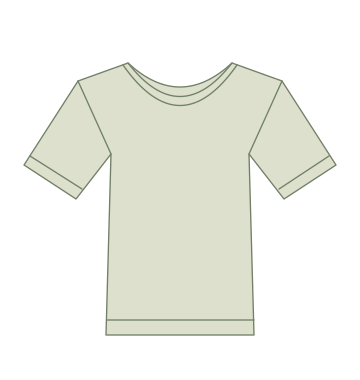
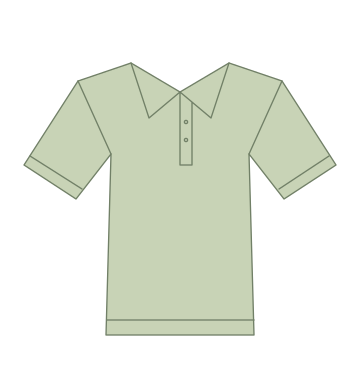
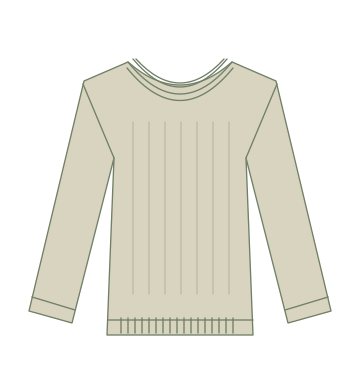
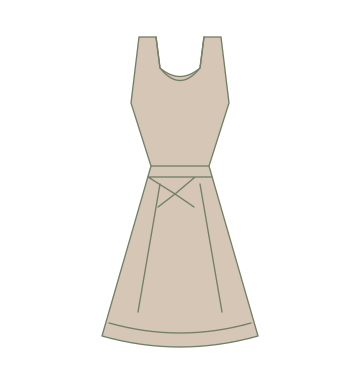
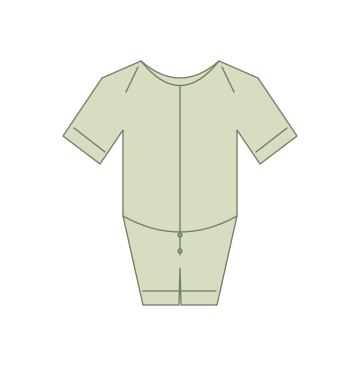
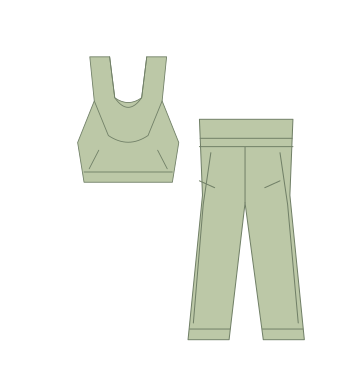
How we serve buyers in Japan
- Language
- Japanese · English
- Time zone
- Tokyo
- Office hours
- Sun–Thu 09:00–18:00, Dhaka (UTC+6)
- Replies
- LINE or email, replies in Japanese before 12:00 JST.
In your language: 見積りを依頼 →
Questions buyers ask
Are Bangladeshi garments duty-free in Japan?
Under Japan's LDC preferential treatment, most knit (HS 61) and woven (HS 62) garments are shown at 0% with a certificate of origin, and Japan applies a two-stage processing rule. Duty values on this page are illustrative and held for human review; we confirm the rate for your HS code before we cost a programme.
Which documents does Japan customs expect?
A certificate of origin from the Export Promotion Bureau, a commercial invoice and packing list in English, and the bill of lading or air waybill. Consumption tax of 10% is charged separately at import.
What does Japanese labelling require?
Fibre content and care symbols (JIS L 0001) in Japanese under the Household Goods Quality Labelling Act, a country-of-origin mark, and formaldehyde limits for babywear. We prepare the labels with you before bulk.
Talk to our Japan desk
LINE or email, replies in Japanese before 12:00 JST.